Keloglan and the Talking Donkey
Keloglan says his donkey can talk; the villagers come to see, and Keloglan teaches them a lesson.
Tap a word to see it in Turkish · Long press to translate the whole sentence.
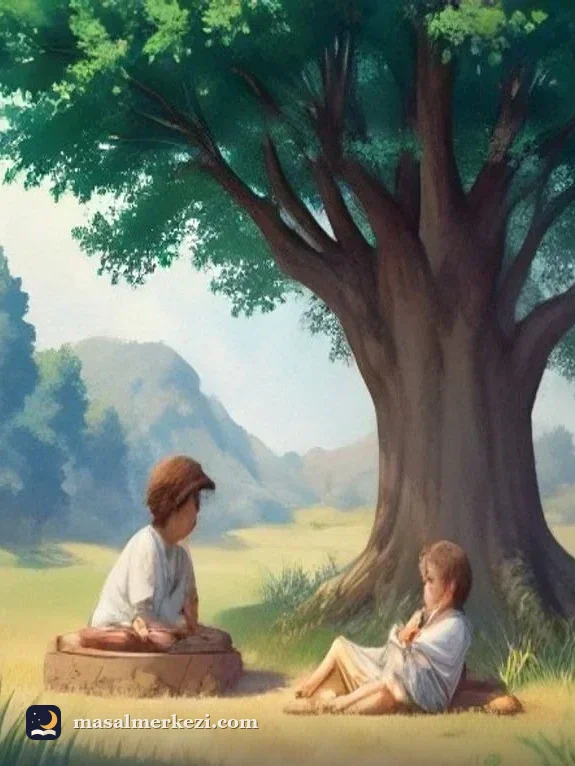
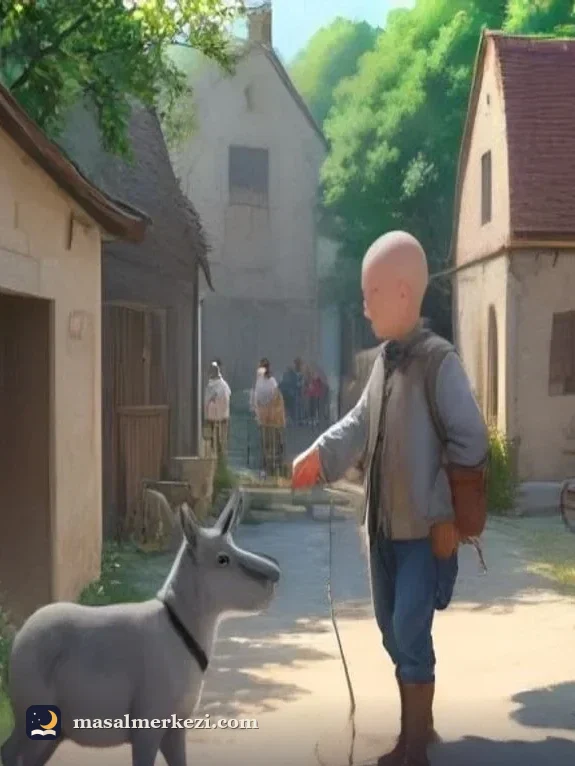
Once upon a time, Keloglan had an old, gentle donkey called Curly. Every morning Curly carried Keloglan's firewood, and in the evenings he ate straw in his stable and never harmed anyone. But the young men of the village teased Curly every day. One pulled his tail, one threw stones at his back, and another laughed, "This donkey is bald like his master!"
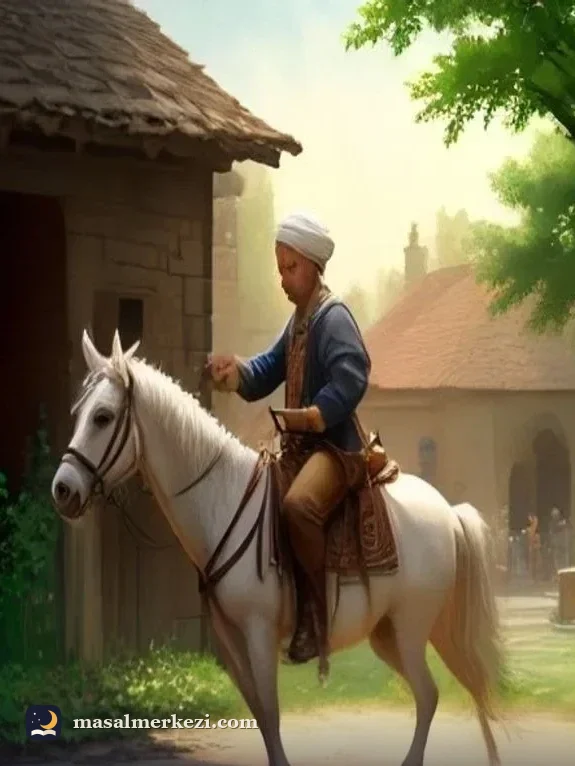
One day Keloglan could not bear it any longer, but he did not want to fight either. "I need to teach them a lesson," he thought. The next morning he began shouting in the village square: "Have you heard? My Curly has started to talk! And what talk! He tells the future!"
At first the villagers laughed, but they were curious too. "Go on, make him talk!" they said. With a serious face Keloglan said, "Curly only talks after the evening call to prayer, in his stable, in the dark. And he doesn't like crowds. Whoever wants to listen must wait in line at the door."
That evening there was a queue in front of the stable. First in was Rifat, the one who threw stones at the donkey. "Whisper your question into the donkey's ear," said Keloglan. Rifat whispered: "Curly, when will my luck turn?" At the back of the stable, in the dark, Keloglan made his voice deep and spoke like a donkey: "On the day you stop pulling a donkey's tail!" Rifat turned pale and ran out.
Then Haydar, who pulled the donkey's tail, went in: "Curly, will my field be fruitful this year?" A voice came from the darkness: "First strike your field with the stick you strike my back with, so the soil gets loosened. The hand that beats an animal reaps a poor harvest!" Haydar stammered and rushed outside.
So each one asked his question, and each one got an answer about the bad thing he had done. Word spread through the village: "Keloglan's donkey knows everything! He tells what everyone has done!" The young men wished the ground would swallow them up for shame.
The next day the oldest woman in the village, Granny Hatice, knocked on Keloglan's door. "Son, does this donkey really talk?" Keloglan kissed Granny's hand and smiled: "Granny, a donkey doesn't talk, but a conscience does. All I did was give everyone's conscience a voice in the dark." Granny Hatice laughed and laughed: "You're clever, Keloglan. I'll never tell anyone your secret."
From that day on, nobody in the village threw a stone at Curly. When the young men saw him, they stroked his head and took a carrot out of their pocket for him. And Curly spent his old age happily. Now and then he would bray, and the villagers would look at each other and laugh: "Looks like he's warning someone's conscience again."
This tale tells us: we must be kind to animals who cannot speak. They cannot talk, but they feel both our kindness and our cruelty. Three apples fell from the sky: one for the one who told this tale, one for the one who listened, and one for Curly.
The tale ends here. Sleep well.
Keloglan and the Talking Donkey is a children's tale from Keloglan tale, suitable for ages 3-8 and about 3 minutes long. Read it free on Masal Merkezi, play a lullaby or nature sound in the background, tap any word to see its Turkish meaning and save it to your favorites. For similar tales browse the Turkish Folk Tales category.
Sign up and your favorites and reading list follow you on every device.